
Important Factors & Types of Vastu

Vastuvid & Jyotishi Jayesh Pandya

32 Pada

(32 Zones or Directions)

In Vastu, the 32 Pada refers to the division of the space around a building or plot into 32 specific zones or directions. Each of these zones is associated with specific energies and activities. The entire plot is divided in such a way that each zone is carefully analysed to determine its impact on the residents.

  • Purpose: The 32 zones are meant to manage and optimize the energy flow within the space by aligning the appropriate functions of the home or business in the right zones.
  • Significance: Each zone governs certain aspects like wealth, health, family, career, and spiritual energy. For example:
    • The northeast zone is related to spirituality and prosperity.
    • The southwest is linked to stability and health.
    • The southeast governs fire and energy, and is essential for kitchens and heating elements.


The correct placement of rooms or functions in these zones ensures positive energy flow and balance within the space.
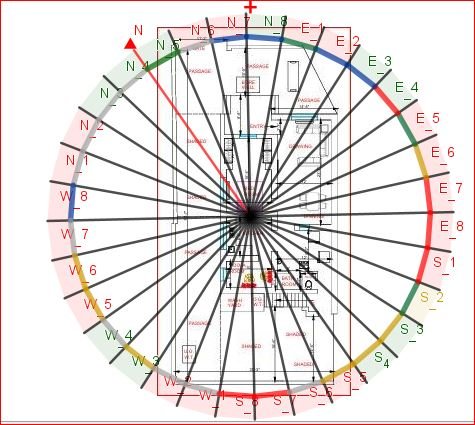
32 pada for main door
45 Devta

45 Devta

(45 Deities or Energies)
In Vastu Shastra, it is believed that the entire universe and its spaces are governed by deities or cosmic energies. The concept of 45 Devta refers to the alignment and placement of these divine energies within different parts of the home or building.

  • Purpose: These deities or energies represent specific qualities like prosperity, wisdom, success, protection, and peace. By invoking these deities in the correct directions or spaces, one can attract these positive attributes into their life.
  • Significance: Each zone or sector is associated with different deities. For example:
    • The north is associated with Kubera, the deity of wealth.
    • The east is connected to Indra, the king of the gods, representing growth and development.
    • The south is related to Yama, the god of death, representing stability and control over negative energies.

Understanding and applying the 45 Devta principle ensures that the space is in tune with cosmic forces, which contributes to a balanced and positive living or working environment.

81 VPM

(81 Vastu Purush Mandala)

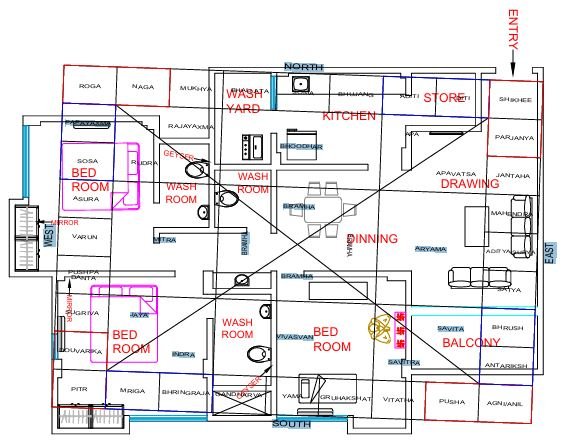
The 81 VPM refers to the 81 squares or zones in the Vastu Purush Mandala, which is the foundational diagram used in Vastu Shastra. This Mandala is essentially a blueprint for building designs and is used to analyze the spatial arrangement of the plot or structure.
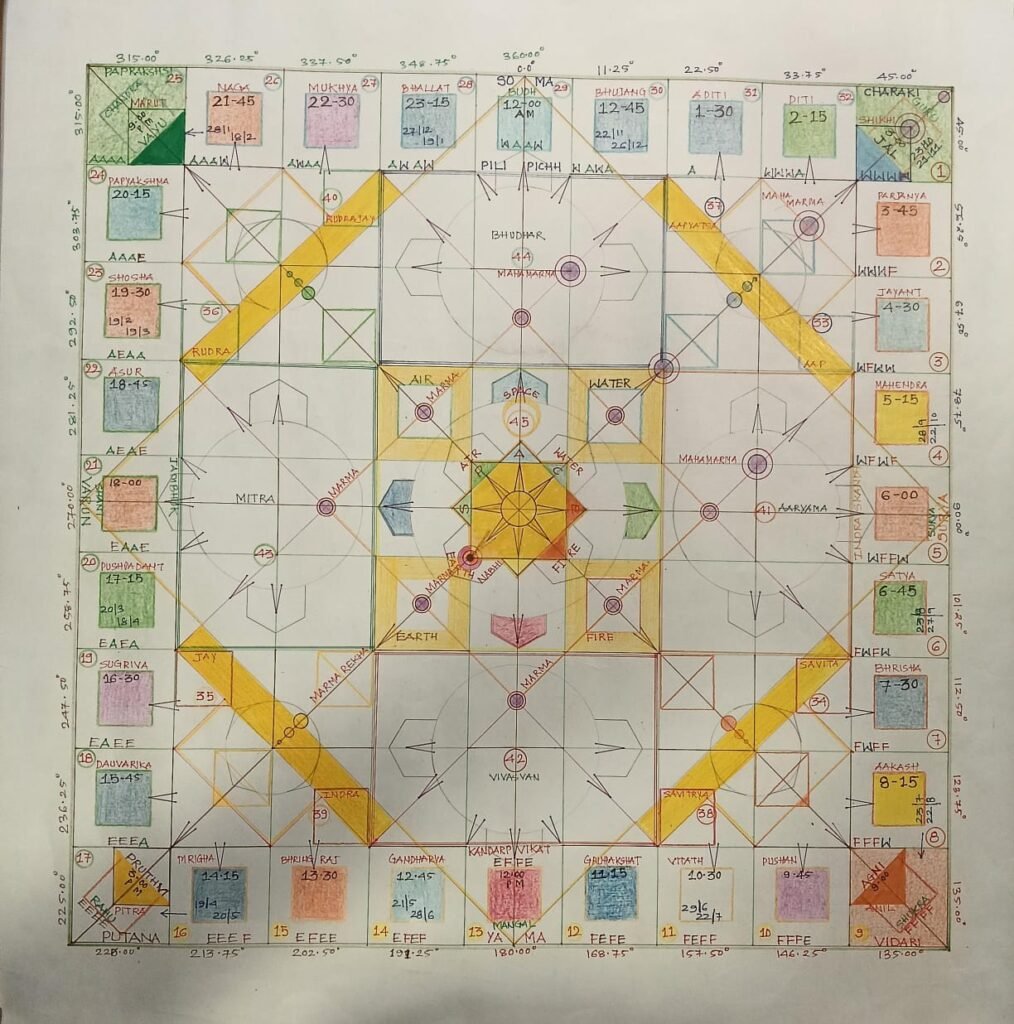
  • Purpose: The Vastu Purush Mandala helps in aligning the space according to the correct energy flow and the directions of the five elements (Earth, Water, Fire, Air, and Space).
  • Significance: The 81 squares represent various facets of life, and the arrangement of rooms, entrances, and other features in a building should align with these squares. The Mandala is believed to be a symbolic representation of the cosmic diagram, where Vastu Purush (the spirit of the land) resides.
  • Example: The central 9 squares of the Mandala are especially important and should be kept free of clutter to maintain harmony and peace.
81 VPM
Marmasthan

Marmsthan

(Vulnerable Points or Stress Zones)

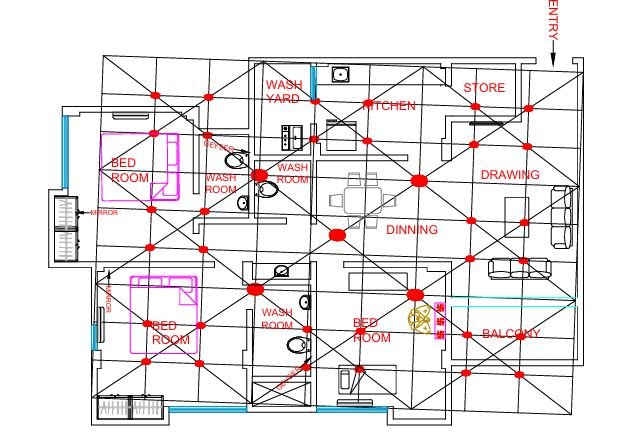
In Vastu, Marmsthan refers to areas or points in a building or plot that are particularly sensitive or vulnerable to negative energy. These are typically locations where there are energy blockages or structural imbalances that can lead to physical, emotional, or financial stress.

  • Purpose: Identifying and correcting Marmsthan ensures that no part of the building or plot negatively impacts the well-being of its inhabitants.
  • Significance: Marmsthan are considered the “critical zones” in Vastu analysis.
  • Common Marmsthan issues include health issues due to heavy weight on the concerned Marmsthan.
  • Remedy: Removing heavy weight involves structural changes or rearranging furniture.

Bar Chart

(Vastu Analysis Chart)

A Bar Chart is used in Vastu to visually represent the energy distribution of a building or plot. It is often employed during the energy assessment phase to show how well the space adheres to the principles of Vastu and where the imbalances lie.
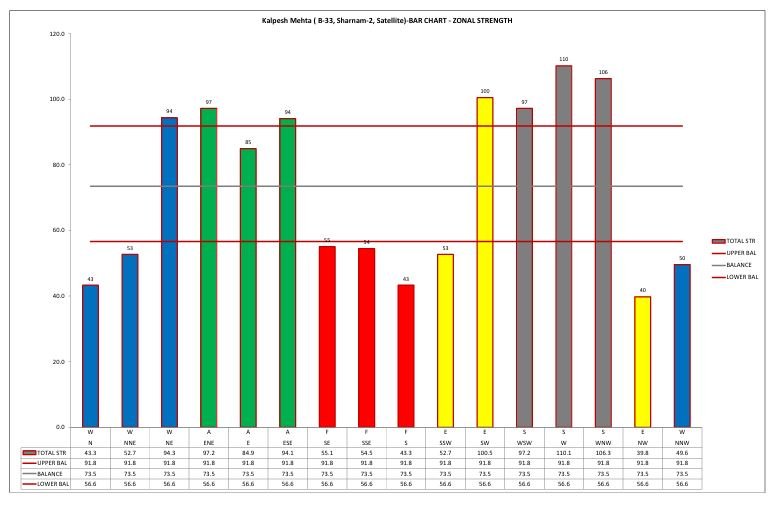
  • Purpose: The Bar Chart helps in assessing how much energy is concentrated in different parts of the property and where adjustments need to be made.
  • Significance: This chart provides a quick and intuitive way to understand the layout and energy flow, allowing Vastu consultants to make specific recommendations.
bar chart
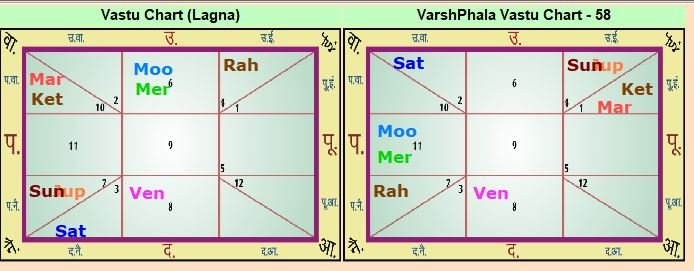
Makan Kundali_astro vastu

Makan Kundali

(House Chart) in the form of Astro Vastu

Makan Kundali is the astrological chart of a house. Similar to a person’s Janam Kundali (birth chart), the Makan Kundali uses the time of construction, direction, and planetary positions to determine how the house will influence the lives of its residents.

  • Purpose: The Makan Kundali offers a deeper, astrological perspective on the house’s energy. By analyzing the planetary influences, one can predict various aspects of life, including health, wealth, career, and relationships.
  • Significance: The positions of planets in the Kundali can help determine auspicious or inauspicious zones within the house. For example, if Saturn is in a particular direction in the Kundali, it may indicate challenges related to career or relationships in that zone.
  • Remedy: Vastu adjustments may be recommended based on the Kundali analysis, such as repositioning or changing the positions of the related objects, or applying specific remedies to mitigate negative planetary influences.

Conclusion

Each of these concepts plays a critical role in Vastu Shastra, working together to create a space that fosters health, wealth, success, and overall well-being. Understanding and applying these principles allows you to assess and optimize the energies within your living or working environment for maximum benefit. Whether you’re planning a new construction, buying a property, or remodelling an existing space, these tools provide a deeper level of insight and help ensure that the space works in harmony with you and the universe.

Vastu Practice:

In Vastu Shastra, there are various approaches to spatial and architectural design, each offering unique perspectives on how to balance the energies within a building. Among these, three prominent types are Vedic Vastu, Modern Vastu, and Lal Kitab Vastu. Each of these systems brings its own methodology, principles, and remedies to create harmony between individuals and their environments.

1. Vedic Vastu: The Traditional and Ancient System

Vedic Vastu is the traditional form of Vastu Shastra, deeply rooted in the ancient Vedic texts. It is the original Vastu system that dates back to over 5,000 years ago. Vedic Vastu emphasizes the alignment of structures with the natural and cosmic forces, focusing on the five elements (Earth, Water, Fire, Air, and Space) and their balance within the living or working space.

Key Features of Vedic Vastu:

  • Sacred Geometry: Vedic Vastu employs the use of sacred geometry, particularly the Vastu Purush Mandala, to plan the layout of a building. It divides a plot of land into 81 smaller zones (9×9 grid) to ensure that each zone is associated with specific energies.
  • Alignment with Cosmic Forces: Vedic Vastu aligns structures based on the movement of the sun, the earth’s magnetic field, and the cosmic energies. This involves specific placements for doors, windows, and rooms in relation to cardinal directions (north, south, east, west).
  • Natural Materials: Traditional Vedic Vastu emphasizes using natural materials like wood, stone, and brick, which resonate better with the Earth’s energies. These materials are believed to enhance positive vibrations within the space.
  • Use of Deities: Vedic Vastu involves placing specific deities or symbols of divine energy in the appropriate zones of the house. For example, the northeast (Ishan) is considered the zone of Lord Shiva, associated with spirituality and wisdom.

Why Vedic Vastu is Practiced:

  • Spirituality and Harmony: Vedic Vastu promotes harmony between the natural environment and the inhabitants, fostering peace and spiritual growth.

Prosperity and Health: By correctly positioning rooms like kitchens, bathrooms, and bedrooms in accordance with elemental principles, Vedic Vastu helps enhance wealth, health, and success.

Modern Vastu is a more practical and flexible interpretation of traditional Vastu Shastra. While it still incorporates the foundational principles of Vastu, Modern Vastu adapts these teachings to contemporary construction methods, modern lifestyles, and advanced technologies.

Key Features of Modern Vastu:
  • Adaptation to Modern Lifestyles: Modern Vastu takes into account the realities of modern architecture and the use of contemporary materials like glass, steel, and concrete, which were not common in ancient times. These materials are adapted to ensure that the principles of Vastu are not compromised.
  • Technological Integration: Modern Vastu also considers the influence of technology in our lives, such as the presence of electrical gadgets, Wi-Fi, and smart devices, which can affect energy flow in a space. It suggests ways to minimize negative impacts of technology on a space, such as using grounding techniques or specific layouts to harmonize with technological equipment.
  • Simplified Guidelines: While traditional Vastu requires complex planning, Modern Vastu simplifies the guidelines, making it easier for homeowners, architects, and builders to follow without extensive modifications to a building’s design.
  • Functional Focus: Modern Vastu emphasizes the functionality of spaces. It recommends specific directions for bedrooms, kitchens, study rooms, and bathrooms, but with more flexibility in design. For instance, a kitchen might still be placed in the southeast, but the design can be adjusted to include more natural light and ventilation.
Why Modern Vastu is Popular:
  • Practical for Urban Living: Modern Vastu adapts well to urban settings, where people might not have the luxury of vast plots or specific land configurations. It makes Vastu more accessible to people living in apartments and smaller homes.
  • Quick Fixes: It offers quick and easy remedies for imbalances in existing structures, making it an ideal solution for modern-day homes and businesses.

Lal Kitab Vastu is a unique form of Vastu Shastra that comes from the Lal Kitab (Red Book), an astrological and remedy-based text that combines the principles of Vastu with astrology and numerology. It is based on astrological calculations and focuses heavily on remedies to correct imbalances in a property’s energy.

Key Features of Lal Kitab Vastu:
  • Astrological Foundation: Lal Kitab Vastu is largely based on the planetary positions and the influence of Zodiac signs on the construction or layout of a building. It suggests that each individual’s birth chart plays a key role in determining the optimal layout for their home.
  • Planetary Remedies: Lal Kitab Vastu uses remedial measures to counteract negative planetary influences. This could include simple remedies like placing specific metals (iron, copper, etc.) in certain directions or using gemstones that correspond to particular planets.
  • Rituals and Puja: It also suggests performing specific rituals, havan, or puja to bring balance to the energy in the house, especially when dealing with strong planetary malefic effects (like Saturn, Mars, or Rahu).
  • Vastu and Astrology: In Lal Kitab Vastu, the Vastu Purush Mandala is combined with astrological charts to recommend the best direction for each room based on an individual’s birth chart and the planetary positions at the time of the house’s construction.
Why Lal Kitab Vastu is Unique:
  • Astrology-Based Approach: Lal Kitab Vastu goes beyond physical design and brings the influence of astrological forces into play. It is based on the belief that the stars and planets at the time of a person’s birth greatly affect the prosperity, health, and well-being of the household.
  • Cost-Effective Remedies: Unlike traditional Vastu, which may require large-scale structural changes, Lal Kitab remedies are often cost-effective and involve simple fixes that can be implemented immediately.
  • For Individuals and Houses: Lal Kitab is often used to address issues related to personal life, financial struggles, or emotional well-being. It connects the energy of the home with the individual’s astrological chart, providing customized remedies to improve life conditions.
Combination of all the three types of Vastu are required for preparing 360 degree solution in totality for Health, Wealth & Happiness in your life!

Contact us for more details!

Consultation